
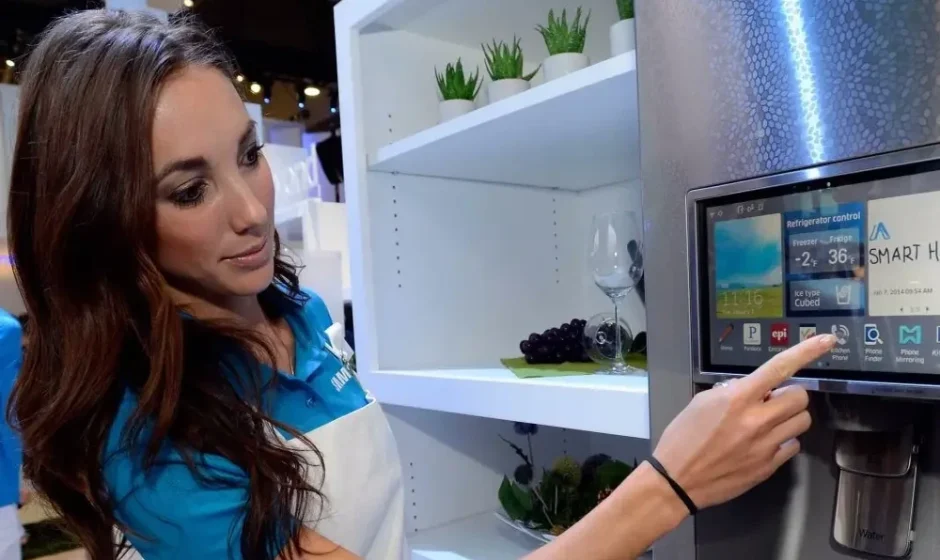

Open a fridge at a backyard cookout today and you might be surprised. There’s a solid chance the bottom shelf holds fewer cans of light beer and a few more colorful, fizzy cans you didn’t recognize last summer. That’s not an accident. A quiet but significant reshuffling of what Americans actually want to drink is underway, and the fridge is the most honest place to see it.
This isn’t about one trend. It’s about a convergence of several things happening at the same time: shifting attitudes toward alcohol, a sparkling water culture that primed millions of people to love the canned, fizzy format, and a new wave of functional beverages landing in mainstream retail. The result is a refrigerator that looks genuinely different from the one your parents stocked.
Alcohol Is Losing Its Grip, and the Numbers Are Hard to Ignore
Here’s the stat that puts everything else in context. Self-reported drinking among U.S. adults fell from 62% in 2023 to 58% in 2024 and then to 54% in 2025, before holding steady at that record low into 2026, according to Gallup’s annual Consumption Habits survey. That 54% figure is, per Gallup’s own tracking data going back to 1939, the lowest rate the organization has ever recorded in nearly nine decades of asking the question.
That’s not a rounding error. That’s a structural change in how Americans relate to drinking.
Young adults under 35 saw the largest decline, with the share saying they drink dropping from 59% in 2023 to 50% in 2025, the first time their rate has fallen below that of middle-aged or older adults. If you’ve noticed that younger people at parties seem less interested in cracking a beer, the data confirms what you’re seeing.
The motivations are layered. Public awareness about alcohol’s long-term effects has climbed sharply. Social norms around drinking, particularly among Gen Z, have shifted. And the beverages waiting to fill that gap have gotten genuinely good.
The Sparkling Water Runway Made This Possible
You can’t understand what’s happening without giving credit to sparkling water. Over the past decade, Americans didn’t just start drinking more water. They developed a specific attachment to the fizzy, canned, flavored format. That format became a social object, something you crack open at a desk or hand someone at a party without it feeling clinical or sad.
U.S. soda consumption dropped 5% in 2023 while sparkling water rose 9.8% , according to industry data tracking that year. The pipeline from “I want something bubbly but not beer” to “I want something functional and bubbly” was already built. Brands just had to put something interesting in the can.
This is where THC-infused seltzers enter the picture, and it’s a natural fit. The format feels familiar because it is familiar. It looks like a LaCroix, feels like an occasion beverage, and slots into the exact social context where you’d reach for a beer, without the alcohol.
The THC Seltzer Category Is Growing Fast
The numbers here are striking. The global THC seltzers market was valued at $360 million in 2024 and is projected to reach $4.09 billion by 2033, growing at a compound annual growth rate of 31.3%, according to Grand View Research’s 2025 market analysis. That pace of growth puts it well ahead of where craft beer was during its own breakout years.
A few things are driving that trajectory.
- Nano-emulsification technology solved a real problem. Earlier cannabis drinks had wildly inconsistent onset times, which made dosing unpredictable. Nano-emulsified formulas, where THC is broken into microscopic particles that absorb much faster, changed that.
- Hemp-derived Delta-9 THC created a legal pathway for selling these products in states where dispensary cannabis isn’t available, putting them into grocery stores, liquor stores, and specialty retailers.
- Flavor innovation caught up to sparkling water. Brands moved past the earthy, medicinal taste profile that plagued early products and landed on fruit-forward, clean profiles that taste like they belong in a can.
The result is a product that genuinely crosses categories. It’s not a cannabis product pretending to be a beverage. It’s a beverage that happens to use hemp-derived THC the same way a hard seltzer uses alcohol.
The CRAVE Framework: How to Think About Switching Your Beverage
Most people who try a THC seltzer for the first time aren’t doing it as a cannabis experiment. They’re doing it because they’re already reaching for a can and they want something more interesting than plain sparkling water. If that sounds like you, here’s a simple decision lens I’d call the CRAVE framework for picking a functional seltzer that fits your situation.
C – Context. Where and when are you drinking it? A 5mg THC seltzer at a slow Sunday afternoon is very different from cracking one open at 6pm before you need to drive somewhere. Match the dose to the setting.
R – Roster of ingredients. Read the label. Good THC seltzers use clean ingredient lists. If it reads like a chemistry set, that’s a signal about quality.
A – Absorption method. Nano-emulsified products onset faster, usually within 15 to 30 minutes, compared to traditional infusion. Knowing this prevents the classic mistake of assuming nothing’s happening and drinking a second can too fast.
V – Vibe, not vice. These drinks are designed for social occasions, not as replacements for a pharmaceutical. Think of them the way you think of a well-made cocktail: something that shifts the atmosphere without being the point of the evening.
E – Entry point. If you’re new to hemp-derived THC, start low. Products in the 2.5mg to 5mg range are where most people find a comfortable, social-friendly effect. You can always open a second one. You can’t un-open it.
This framework works especially well when you’re shopping for a gathering and you need to stock the fridge for people with different preferences. One or two THC seltzers alongside regular sparkling water and beer covers the whole room.
What the Sunday Cookout Fridge Actually Looks Like Now
Picture a specific scenario. It’s a Sunday afternoon in July. You’ve got eight people coming over. Two years ago, you bought a 30-pack of beer, maybe a case of LaCroix, and called it done. Today, you’re probably building a more deliberate spread.
There’s still beer for the people who want it. There’s still plain sparkling water. But there’s also a row of cans that functions as a middle ground, something bubbly and social that gives people who aren’t drinking alcohol something to do with their hands and a light functional effect to go with it. That’s exactly the gap THC seltzers were made for.
Brands like PureNative, which makes hemp-derived, nano-emulsified seltzers in flavors like Berry Blast and Magic Melon, have built their products around exactly this occasion. If you want to stock that middle-ground row, you can shop THC seltzers directly from their site, where flavors come individually or in bundles sized for a gathering.
“The shift away from alcohol isn’t just a wellness trend. It’s a format trend. People aren’t giving up the social ritual of a can in their hand. They’re looking for a better can.” – widely shared framing from beverage industry analysts covering the hemp drink category’s 2024-2025 growth cycle
What This Means for Your Fridge Going Forward
The fridge makeover happening across American homes right now isn’t a rejection of fun. It’s a refinement of it. People still want a drink. They want something cold, carbonated, flavorful, and socially appropriate. They’re just more selective about what’s in it.
THC seltzers didn’t create that demand. They answered it. And with the market growing the way it is, the can sitting next to the sparkling water at your next party is going to look a lot more interesting than it did a few years ago.
So the real question isn’t whether the American fridge is changing. It clearly is. The question is what you’re going to put in yours.