
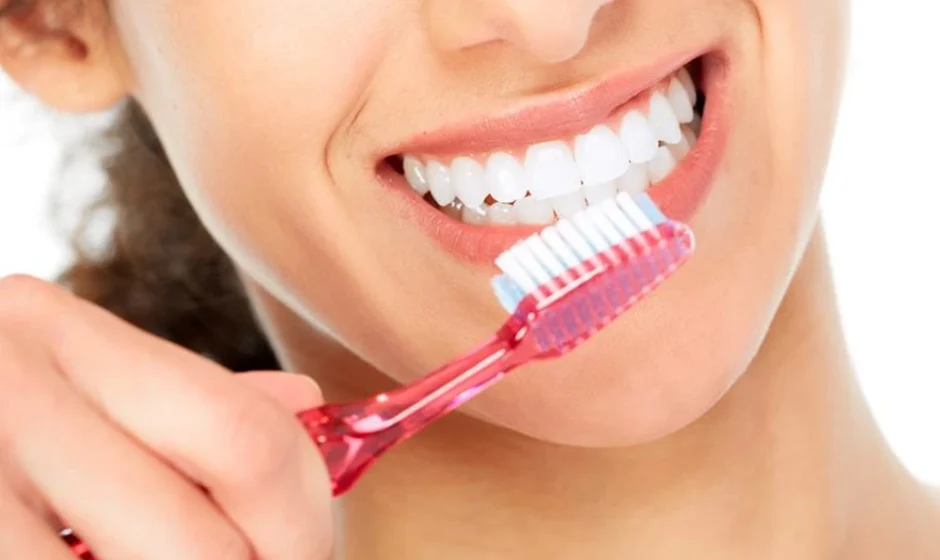

You stand in the dental aisle staring at rows of toothbrushes, wondering whether the higher price of an electric brush is worth it or if a manual one will do the job just fine. If you are buying for more than one person, the choice gets messier fast. One child hates noise, another brushes for ten seconds and quits, and one adult in the house has sensitive gums or braces, which is something a periodontist in Thousand Oaks may often help address. It is not just about a toothbrush. It is about habits, budget, and whether everyone will actually use what you bring home.
For most households, both options can work when brushing is done well and often enough. The difference is that an electric toothbrush can make good brushing easier for people who rush, scrub too hard, have limited hand movement, or need help staying on track for the full two minutes. A manual toothbrush still makes sense when cost, simplicity, and portability matter most. The best choice is the one your family will use correctly every day.
Electric and manual toothbrushes both clean teeth, but daily habits change the outcome
The core issue is not whether one brush touches teeth and the other does not. Both do. The problem is that real life gets in the way. Kids get distracted. Adults brush half awake. Some people press too hard because they think harder scrubbing means cleaner teeth, then end up with sore gums and worn enamel near the gumline. Others have no idea they are missing the back molars every night.
That is where electric brushes often help. Many have built in timers, pressure sensors, and smaller rotating or vibrating heads that do more of the motion for you. If someone in your home tends to brush too fast or with a heavy hand, that feedback can change the result. The American Dental Association explains that both manual and powered toothbrushes can remove plaque well, and that powered brushes may help people who struggle with brushing effectively, including those with dexterity issues. You can read more in the ADA guide on choosing toothbrushes.
Manual brushes ask more from the user. Technique matters more, and so does patience. That does not make them a bad choice. It just means they work best when the person holding the brush is consistent and careful. A teenager with excellent habits may do perfectly well with a soft bristled manual brush. A parent managing arthritis may find that same brush tiring and less effective by the end of the week.
Cost usually drives the conversation next. A manual toothbrush is cheaper up front, and replacing it every three to four months is easy on the budget. An electric toothbrush costs more at the start, and replacement heads add ongoing expense. For a larger household, that can feel like a lot. Still, if one electric brush helps a child brush longer, or helps an adult avoid aggressive scrubbing, the value may be more practical than it first appears.
There is also the comfort factor. Some people love the clean feeling after using a powered brush. Others cannot stand the vibration or sound. Younger children may think an electric brush is fun, then lose interest once the novelty fades. Braces, gum sensitivity, and sensory issues can all affect what feels usable. When you are deciding between electric and manual toothbrushes, the right answer is often different for each person in the same home.
The best toothbrush for families depends on age, ability, and routine
A household is rarely one brushing profile repeated five times. A preschooler may need a small manual brush because it is simple and light, while a grandparent may do far better with a powered brush that reduces the amount of wrist movement needed. Someone with braces may like the consistency of an electric brush, especially around brackets and wires. MedlinePlus notes that brushing twice a day with fluoride toothpaste and cleaning all tooth surfaces matters most, whether the brush is powered or not. Their overview of tooth care keeps the basics clear and grounded.
If your home is trying to build better routines, features can matter more than brand names. A timer can prevent the nightly thirty second rush. A pressure sensor can help the person who scrubs until the bristles flatten. A thicker handle can help someone with grip weakness. On the other hand, if your family travels often, camps, or needs a no fuss option for school bags and work drawers, a manual toothbrush wins on convenience.
A side by side toothbrush comparison makes the tradeoffs easier to see
| Factor | Electric Toothbrush | Manual Toothbrush |
|---|---|---|
| Cleaning effectiveness | Very effective, especially for people who rush or struggle with technique | Very effective with good technique and full brushing time |
| Upfront cost | Higher | Lower |
| Ongoing cost | Replacement heads every few months | Replace whole brush every three to four months |
| Ease of use | Helpful for children, braces, and limited hand movement | Simple, light, and easy to carry anywhere |
| Built in guidance | Often includes timer and pressure sensor | None unless user tracks time and pressure independently |
| Sensory comfort | Some dislike vibration or sound | Usually quieter and more predictable |
| Travel and backup use | Needs charging or batteries | Easy for travel, school, work, and emergencies |
This is why electric vs manual toothbrush decisions are rarely one size fits all. A mixed approach is common and often smart. One person may use an electric brush at home and keep a manual one for travel. Another may stay with manual because they already brush well and do not need extra features. A family dentist can help sort out those details when cavities, gum irritation, orthodontic work, or brushing habits keep showing up at checkups.
Small changes in brushing habits can improve oral health fast
Match the brush to the person. Think about who is actually using it. Choose soft bristles, a comfortable handle, and a head size that fits the mouth well. For children, pick something they can hold and tolerate. For adults with arthritis, braces, or gum recession, a powered option may reduce effort and improve technique.
Test the routine for two weeks. Watch what happens instead of guessing. Is your child brushing longer with a timer. Are gums less sore because a pressure sensor stops hard scrubbing. Is the electric brush sitting dead on the counter because nobody remembers to charge it. A short trial tells you more than packaging claims.
Focus on brushing quality, not gadget value. Brush twice a day for two minutes with fluoride toothpaste, replace worn brushes or heads on schedule, and clean along the gumline without sawing back and forth. That is the heart of good toothbrush choice for your household, no matter which type you buy.
You do not need the most expensive option to protect your family’s teeth. You need the option that fits real life and keeps people brushing well every day. If your household has different needs, that is normal. A Family Dentist can help you choose a brush style that works for each person and spot issues early before habits turn into cavities or gum problems.