
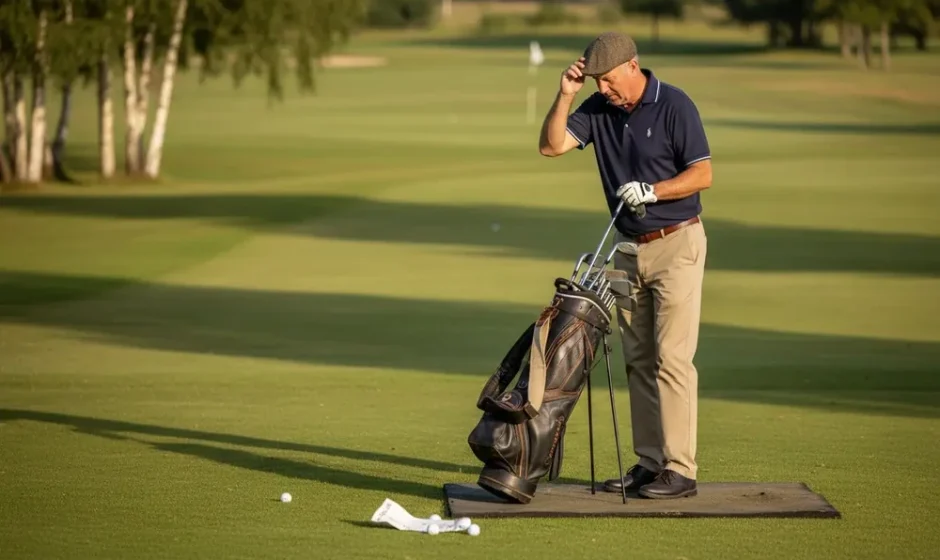

Golfers love to obsess over gear, but one thing is clear: price tags and brand logos do not guarantee a better game. Myths about equipment choices keep both beginners and veterans from truly enjoying the sport. Let’s cut through the noise and focus on what really matters for every stage of a golfer’s journey.
Debunking the Myth: You Need Expensive Clubs to Play Well
A shiny driver may catch your eye, but it is not necessary to break the bank to lower your scores. Many new players believe that expensive clubs will automatically improve their swing. However, advances in club technology over the past decade mean even mid-range sets feature forgiving heads and graphite shafts designed for easier playability. For most beginners, the real value comes from equipment that matches their abilities, not their ambitions.
Why Price Doesn’t Always Equal Performance
Premium brands invest in marketing, but the on-course difference between a $300 and a $1,200 driver can be subtle for those still developing their swing. Forgiveness, consistency, and confidence matter far more than prestige. Smart players look for clubs that accommodate their natural swing rather than those promising miracles.
Affordable Options That Deliver for Beginners and Intermediates
There is a sweet spot when it comes to value. Sets like the Callaway Strata offer complete solutions under $700 CAD, providing everything a newcomer needs without splurging. Shops such as Liquida Sport magasin de golf allow golfers to explore options at various price points, including certified pre-owned clubs that can rival brand-new sets in performance.
Misconception: One Set of Clubs Fits All Skill Levels
Golfers evolve, and so should their equipment. What feels right as a beginner may become a hindrance as skills improve.
How Equipment Needs Evolve from Beginner to Pro
Entry-level players benefit from cavity-back irons and hybrids that prioritize forgiveness. As you gain confidence, you may find these same clubs limit shot shaping or distance control. Intermediate and advanced players start seeking clubs tailored to their tempo, preferred ball flight, and tactical needs. Serious golfers may eventually invest in forged irons or specialized wedges.
Custom Fitting and Adjustable Clubs Explained
Custom fitting is not just for the pros. Minor adjustments in shaft length, grip size, or lie angle can have a dramatic impact on accuracy. Many modern clubs now include adjustable weights or lofts, allowing players to fine-tune their setup as their game matures. This adaptability means your investment can grow with you, rather than needing a complete overhaul as you improve.
The False Belief That More Clubs Mean Better Play
Hauling around fourteen different clubs does not automatically make you a contender. The rules allow a max of fourteen, but most recreational players rarely use them all.
Understanding Essential Clubs for Every Player
A typical beginner’s bag should include a driver (or 3-wood), a couple of hybrids, 6-iron through pitching wedge, a sand wedge, and a putter. That’s plenty to cover almost any situation on the course while keeping decisions simple and swings consistent.
When and Why to Expand Your Set
Expand your arsenal only when you have mastered your current tools and need specialized help with particular shots. High-lofted wedges or extra fairway woods make sense only for those with refined skills who face specific course demands.
Shoes and Gloves Don’t Impact Your Game , Myth or Fact?
Ignoring shoes and gloves is a mistake many beginners make, thinking these details are for pros. In reality, comfort and grip dramatically influence performance.
The Role of Proper Footwear in Stability and Comfort
Golf involves more walking and shifting weight than most sports. Well-designed golf shoes distribute pressure evenly, improve traction, and reduce fatigue. Even a single slip mid-swing can cost strokes, so investing in footwear pays off every round.
How Gloves Improve Grip and Swing Consistency
A golf glove does not just prevent blisters; it ensures a secure, consistent hold even in hot or damp conditions. Better grip translates directly to more controlled, repeatable swings, especially under pressure.
Golf Balls Are All the Same , What You Need to Know
Not all golf balls are created equal. The market offers a dizzying array of options, each designed for specific swing speeds and playing styles.
Differences in Golf Ball Types and Their Effects
There are two main categories: two-piece balls (distance and durability) and multi-layer balls (spin and feel). Beginners often benefit from the former, as they prioritize straight flight and forgiveness. Advanced players might lean toward multi-layer balls for greater spin around the greens.
Matching Golf Balls to Your Swing Speed and Skill
Slower swing speeds call for softer compression balls, which help maximize distance. Players with faster swings can benefit from firmer balls that offer better control and greenside performance.
The Overlooked Importance of Accessories
It is easy to focus on clubs, but accessories make the game more enjoyable and efficient.
How Bags, Tees, and Rangefinders Enhance Your Experience
A well-organized bag saves time and energy. Durable tees, a reliable glove, and a convenient rangefinder can prevent frustration and keep you focused on the game itself.
Choosing Accessories That Suit Your Playing Style
Walkers may prefer lightweight carry bags, while those using carts might opt for extra storage. Pick accessories that fit your routine, not just what looks appealing.
Don’t Need to Upgrade Frequently , Debunking Equipment Longevity Myths
Golfers tend to hang onto equipment long past its prime, assuming it will last forever.
Signs It’s Time to Replace or Upgrade Your Gear
Visible wear on grips, grooves, or clubfaces can lead to inconsistent shots. Technology also evolves, so if your gear is over a decade old, you may be missing out on meaningful improvements in forgiveness and distance.
Balancing Budget and Performance Over Time
Upgrading does not mean buying the latest release every year. Pay attention to performance, not hype, and invest in quality when your current gear starts holding you back.
Ultimately, the best equipment choices are those that match your game, your budget, and your ambition to improve. Attentive selection, not expensive taste, is the real secret to playing your best round.