
Listen, the way we handle electrical appliance disposal in Singapore tells you everything about whether we are serious about survival on this island or just playing games with fancy rhetoric. Every broken toaster, every burnt-out kettle, every obsolete mobile phone sitting in your cupboard represents both a threat and an opportunity. The threat is simple. Toss these devices into the rubbish bin and you are condemning precious metals to incineration while releasing toxins into an environment that has no room for carelessness. The opportunity is equally stark. Handle Electrical appliance disposal properly and you recover gold, copper, silver and rare earth elements that can be reborn into new products instead of being ripped from mines halfway across the world.
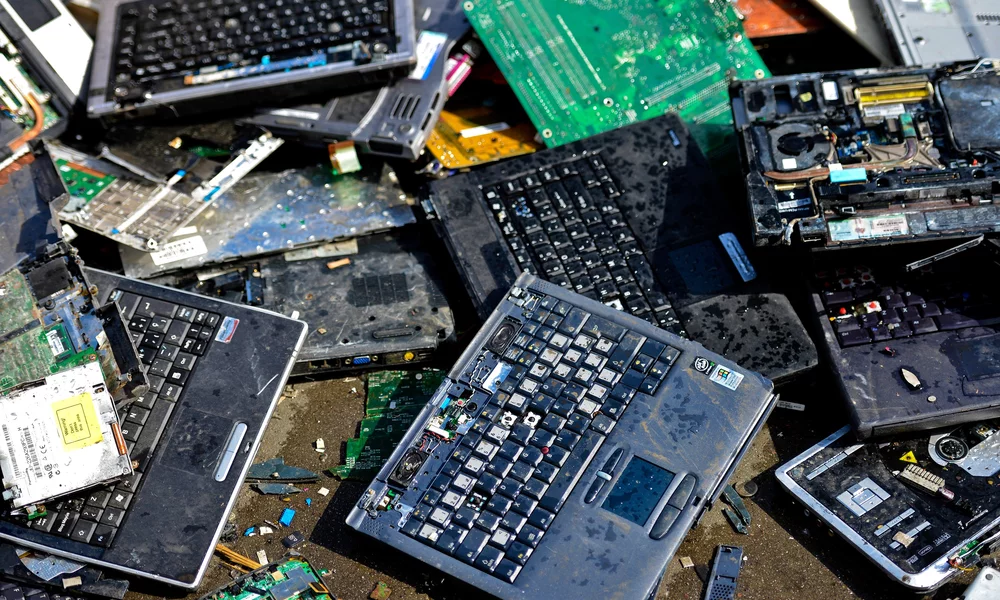
Singapore generates an estimated 60,000 tonnes of electronic waste every year. That figure should wake you up. For a nation of this size, that volume represents an industrial-scale flow of discarded gadgets, each one containing materials worth recovering and hazards worth avoiding. Yet for years, only a tiny fraction found its way back into productive use. The government recognised this failure and in 2019 introduced legislation that fundamentally altered who pays for the consequences of consumption.
The Producer Responsibility Framework Changes Everything
The old model was straightforward and brutal. You bought an appliance, you used it, and when it died, the problem became yours. Disposal fees, environmental contamination, wasted resources, all of it landed on consumers and taxpayers. The Extended Producer Responsibility framework flipped that arrangement. Now the companies that manufacture or import electrical goods must take responsibility for the entire life cycle of their products.
Under this system, producers face clear obligations:
- Retail outlets larger than 300 square metres must establish collection points inside their facilities
- Companies must organise free collection of old appliances from customers who request pickup
- Large retailers must accept unwanted items of the same type when delivering new purchases
- Retailers take away your old refrigerator when delivering a new one without charging extra
Since the programme launched in 2021, collection points have gathered over 34,000 tonnes of electronic waste. The year 2025 has proven particularly robust, with nearly 10,000 tonnes collected through the first three quarters, representing a 60 per cent increase over the corresponding period in 2024.

What Falls Under Regulated Disposal
The framework covers specific categories representing the bulk of household electronic consumption:
- Large household appliances including refrigerators, washing machines, air-conditioners and televisions
- Information and communications technology equipment such as desktop computers, laptops, tablets and mobile phones
- Batteries of all types, from household cells to lithium-ion portable batteries and electric vehicle batteries
- Lamps and bulbs, particularly fluorescent tubes that contain trace mercury requiring careful treatment
- Electric mobility devices that have proliferated across the island
But here is where the system reveals its limits. Smaller household equipment like electric kettles, rice cookers, food processors, electric fans, hair dryers and vacuum cleaners fall outside the regulated framework. People still need to dispose of these unregulated items, yet streamlined recycling processes have not been established for them.
The Practical Challenge
Theory and practice diverge when you are standing in your flat staring at a dead washing machine. The collection infrastructure exists, spread across retail locations, community centres, petrol stations and shopping malls. Mobile applications help residents locate the nearest drop-off point. But convenience remains uneven. Large appliances are heavy and awkward. Small items like adaptors and portable chargers remain significantly under-collected because people cannot be bothered to make special trips for tiny gadgets.
Data security concerns compound the problem. Many Singaporeans hoard old phones and laptops rather than risk exposing personal information. The solution requires wiping all data using factory reset functions before handing over devices, but many people either do not know how or do not trust the process.
At the community level, Repair Kopitiam deploys volunteers who work out of neighbourhood centres to repair old appliances. A volunteer recently cleaned accumulated grease from inside a table fan, restoring it in twenty minutes. The owner had been about to throw it away.
Why Proper Disposal Matters
The environmental case for rigorous Electrical appliance disposal is not sentimental:
- Old batteries leak poisonous chemicals into soil and groundwater
- Lithium-ion cells can spontaneously ignite when compressed in rubbish trucks
- Fluorescent tubes contain mercury requiring specialised treatment
- Air-conditioners and refrigerators hold refrigerants that damage the ozone layer
- Each improperly discarded device becomes an environmental liability
Yet these devices represent concentrated stores of valuable materials. Circuit boards contain gold, silver and copper. Screens incorporate rare earth elements. When smartphones are properly disassembled, they achieve more than 90 per cent material recovery rates, yielding raw materials worth considerably more per tonne than mixed municipal waste after incineration.
What You Need to Do
The system only works if you engage with it:
- Locate collection points using digital tools rather than defaulting to the rubbish chute
- Wipe personal data from any device with storage capacity before disposal
- Separate batteries from devices when possible, as loose lithium-ion cells pose fire hazards
- Consider repairs before replacement to extend device lifespans
- Arrange free pickup through retailers when purchasing replacements
Singapore’s household recycling rate fell to just 11 per cent in 2024, its lowest recorded level. Senior Minister of State for Sustainability and the Environment Janil Puthucheary noted that “e-waste contains heavy metals and hazardous substances that, if improperly disposed of, can harm public health and contaminate the environment.”
The evidence from four years under the structured programme demonstrates that electrical appliance disposal can function at scale when responsibility is properly assigned and collection infrastructure is systematically deployed. The 60 per cent year-on-year growth in collections shows momentum building. Whether Singapore closes the gap between electronics consumed and electronics recovered depends on whether convenience wins over inertia and whether short-term hassle yields to long-term necessity. The choice, as always, belongs to the people living with the consequences of Electrical appliance disposal.