
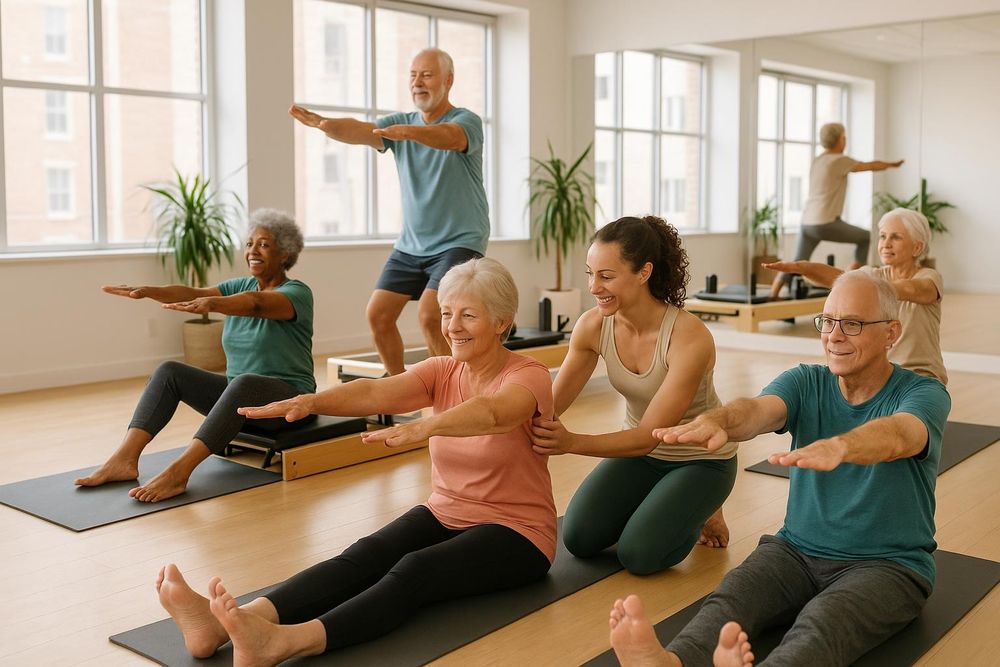
As people age, maintaining mobility, strength, and overall well-being becomes increasingly important. Modern Pilates has emerged as a highly effective exercise method for seniors, offering gentle yet powerful movements that promote flexibility, balance, and core strength. Unlike traditional high-impact workouts, modern Pilates emphasizes controlled motion, proper alignment, and mindful breathing, making it suitable for older adults looking to maintain independence and improve their quality of life. Exploring the benefits of modern Pilates for seniors highlights why this practice is gaining popularity in fitness communities and senior wellness programs.
Enhancing Balance and Stability
One of the most significant benefits of modern Pilates for seniors is its ability to enhance balance and stability. Falls are a common concern among older adults, often leading to serious injuries and a decline in independence. Modern Pilates focuses on strengthening the deep core muscles, which are essential for maintaining proper posture and supporting the spine.
Exercises such as seated leg lifts, controlled roll-downs, and gentle twists improve coordination and proprioception—the body’s awareness of its position in space. Regular practice helps seniors develop better control over their movements, reducing the risk of falls and enhancing overall stability. By building strength in the core and stabilizing muscles, modern Pilates empowers seniors to move with confidence in daily activities such as walking, climbing stairs, or standing from a seated position.
In addition, modern Pilates incorporates small, precise movements that challenge balance without putting excessive strain on joints. This approach allows seniors to safely improve their stability while adapting exercises to their comfort level and mobility limitations. Physical therapists often recommend Pilates as part of fall prevention programs, emphasizing its effectiveness in creating a strong foundation for safe movement.
Improving Flexibility and Joint Health
Flexibility naturally decreases with age, leading to stiffness, limited range of motion, and discomfort in daily activities. Modern Pilates exercises gently stretch and lengthen muscles while promoting joint mobility. Movements such as spinal twists, leg circles, and controlled stretches help seniors maintain and even increase flexibility over time.
Improved flexibility enhances functional movement, making tasks such as reaching for objects, bending, or getting dressed easier and safer. Additionally, the low-impact nature of modern Pilates is gentle on joints, which is especially beneficial for seniors experiencing arthritis or joint pain. Unlike high-intensity exercises, Pilates allows for controlled motion that reduces the risk of inflammation or injury while still promoting muscular engagement and elasticity.
Modern Pilates also emphasizes alignment and posture, which contributes to joint health. By strengthening postural muscles and encouraging proper spinal alignment, Pilates reduces undue stress on joints and supports overall skeletal integrity. Seniors who practice regularly often report decreased stiffness and increased comfort in performing daily activities.
Boosting Core Strength and Functional Fitness
Core strength is critical for seniors, as it supports balance, posture, and functional independence. Modern Pilates targets the deep abdominal muscles, obliques, lower back, and pelvic floor, building a strong foundation for overall movement. Core stability is particularly important for seniors because it directly impacts the ability to perform everyday tasks safely and efficiently.
Functional fitness, the ability to perform daily activities with ease, is enhanced through Pilates exercises that mimic real-life movements. Exercises such as seated reaches, controlled leg extensions, and standing balance drills strengthen the muscles used in everyday activities, helping seniors maintain independence and reduce reliance on caregivers. Modern Pilates encourages gradual progression, allowing seniors to increase strength and endurance safely while minimizing the risk of injury.
Additionally, a strong core contributes to improved posture and spinal alignment, which alleviates back pain and reduces strain on other muscle groups. By emphasizing core stability and functional strength, modern Pilates supports seniors in leading active, fulfilling lives without physical limitations.
Promoting Mental Well-Being and Mind-Body Connection
Modern Pilates is not only beneficial for physical health but also supports mental and emotional well-being. The practice emphasizes mindful movement, controlled breathing, and body awareness, which help seniors reduce stress, improve concentration, and foster relaxation. Mind-body exercises have been shown to enhance cognitive function and mood, providing a holistic approach to wellness.
The meditative aspects of Pilates allow seniors to focus on their movements, creating a sense of calm and mental clarity. Incorporating Pilates into a regular routine can help reduce anxiety, improve sleep quality, and promote overall mental resilience. Social interaction in group classes also contributes to emotional well-being, offering seniors a supportive community and opportunities to stay connected with peers.
By integrating mindfulness with physical exercise, modern Pilates helps seniors develop a stronger connection to their bodies, enhancing self-awareness and confidence. This mental and emotional support is particularly valuable for older adults navigating life transitions, health challenges, or reduced mobility.
Adaptability and Accessibility for Seniors
One of the reasons modern Pilates is ideal for seniors is its adaptability. Exercises can be modified to accommodate varying fitness levels, mobility restrictions, or chronic health conditions. For example, seniors who cannot perform standing exercises may use a chair or a Pilates reformer for seated movements. Resistance bands, small weights, or foam rollers can be incorporated to provide additional support and challenge as strength improves.
Certified Pilates instructors who specialize in senior fitness design programs that are safe, progressive, and engaging. They ensure that movements are performed with proper alignment and technique, reducing the risk of injury while maximizing benefits. Whether practiced at home, in a studio, or as part of a senior wellness program, modern Pilates provides a flexible and accessible exercise option that supports lifelong health and mobility.
The adaptability of modern Pilates also means that seniors can continue practicing as their abilities change, maintaining a lifelong commitment to fitness and well-being. This flexibility ensures that Pilates remains a sustainable and effective approach to health at any stage of life.