
Vietnam is often described as an easy country to travel through, and in many ways, that description is accurate. Transportation is accessible, cities are lively but manageable, and people are generally helpful. Yet after traveling across the country several times, I’ve realized that how smooth a trip feels often depends on something travelers rarely think about in advance: whether they are connected at the moments that matter.
In the beginning, I treated connectivity as a technical detail. Something to figure out after landing, or only when it became necessary. But after enough early-morning departures, late-night arrivals, and unexpected schedule changes, that mindset slowly changed.
What shifted my perspective was noticing how often small moments depended on quick access to information. Confirming where to meet a driver, checking the hotel address, or making sure I was heading in the right direction. When those things were easy, the journey flowed. When they weren’t, even simple decisions felt heavier than they should.
Over time, I began to see staying connected while traveling in Vietnam as part of moving smoothly from one place to the next. Not as something that dominated the trip, but as quiet support in the background. It wasn’t about being online constantly. It was about being able to continue without stopping to troubleshoot basic logistics.
Vietnam itself is straightforward once you’re oriented. Getting around cities becomes intuitive, and most plans fall into place naturally. But without a connection, even experienced travelers can hesitate. I’ve seen confident people pause simply because they couldn’t confirm their next step, despite everything else being well organized.

What truly makes the difference is continuity. Being able to land, check a message, confirm a pickup point, and move on keeps the journey intact. There’s no break in rhythm, no unnecessary detours. The trip continues as planned instead of feeling fragmented.
This became especially clear during trips where timing mattered. Late-night arrivals, early departures, or moving between cities on tight schedules all feel more manageable when you can make quick adjustments. When you’re connected, delays stay small. When you’re not, they tend to grow.
Vietnam rewards travelers who move with confidence rather than urgency. Cities reveal themselves more naturally when you’re not rushing to solve basic problems. Knowing you can quietly check what you need, when you need it, makes it easier to stay present with the experience itself.
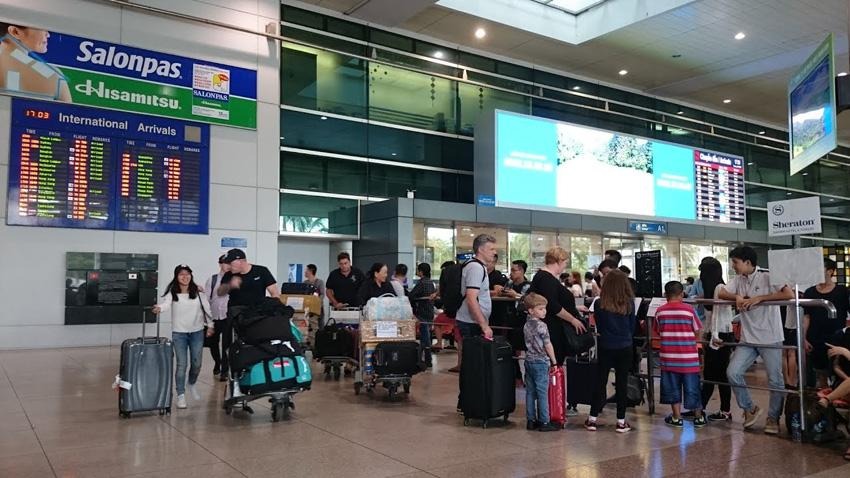
As my travels continued, connectivity stopped being something I consciously thought about. It became part of how I moved through the country, especially during transitions like airports, stations, and arrivals. When it worked, I barely noticed it. When it didn’t, the absence was immediate.
In the end, connectivity doesn’t define a trip, but it quietly shapes how it feels. After traveling through Vietnam multiple times, it’s one of the few details I no longer leave to chance.