
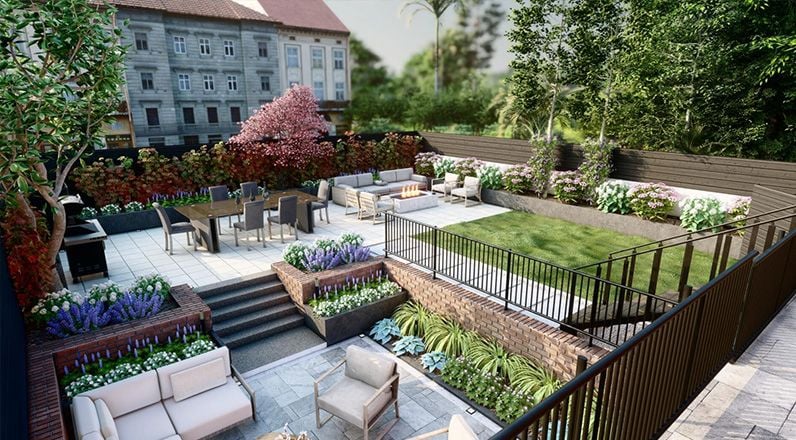

Outdoor spaces have evolved into extensions of the home, providing areas for relaxation, entertainment, and connection with nature. One of the most effective ways to elevate these spaces is through thoughtfully planned outdoor hardscape design. By combining functional elements like patios, walkways, retaining walls, and fire features with aesthetic considerations, homeowners can create outdoor environments that are both beautiful and practical. Transformative outdoor hardscape design projects not only enhance the visual appeal of a property but also improve usability, increase property value, and inspire creativity in landscaping.
The Role of Outdoor Hardscape Design in Modern Landscaping
Outdoor hardscape design is more than simply placing stones, pavers, or walls in a yard. It involves strategic planning that integrates the natural landscape, architectural style, and intended use of the space. Hardscaping provides structure and organization, guiding movement through a yard, defining functional areas, and creating focal points that draw the eye.
Well-executed outdoor hardscape design balances aesthetics and utility. For instance, a patio can serve as an entertainment hub while visually complementing the home’s exterior, while walkways and pathways offer safe and attractive routes through gardens or around water features. Retaining walls and raised planters not only add dimension to outdoor spaces but also solve practical problems, such as soil erosion or uneven terrain.
Materials play a pivotal role in outdoor hardscape design. Natural stone, concrete, brick, and composite materials each bring unique textures, colors, and durability. Choosing the right material ensures that the hardscape elements withstand weather, require minimal maintenance, and harmonize with the surrounding landscape. Thoughtful material selection transforms ordinary outdoor spaces into inspiring environments that feel intentional and cohesive.
Inspiring Hardscape Features That Transform Spaces
Transformative outdoor hardscape design often incorporates standout features that enhance both function and beauty. Fire pits and outdoor fireplaces, for example, provide warmth and ambiance, creating inviting spaces for gatherings during cool evenings. When combined with seating areas, these features turn a simple patio into a dynamic social hub.
Water features, such as fountains, ponds, or waterfalls, are another hallmark of inspiring hardscape design. Flowing water adds a calming auditory element while visually enhancing the landscape. Strategically placed water features can serve as focal points, anchor garden areas, or highlight pathways, contributing to a sense of tranquility and refinement.
Walkways, pathways, and driveways are not merely functional; they can serve as design elements that guide visitors through a property and create a sense of discovery. Curved paths lined with plants or lighting create depth and interest, while materials such as stamped concrete or natural stone add texture and sophistication.
Retaining walls, terraces, and raised planters add dimension to outdoor spaces while solving grading or drainage challenges. These structures allow for creative planting arrangements, define garden zones, and create levels that enhance visual interest. By integrating these elements seamlessly into the landscape, outdoor hardscape design transforms ordinary yards into functional works of art.
Planning a Transformative Outdoor Hardscape Design Project
Creating an inspiring outdoor hardscape design begins with careful planning. Homeowners should first consider the purpose of the space, whether for relaxation, entertaining, gardening, or a combination of uses. Understanding how the space will be utilized guides the selection of hardscape features and materials.
Site assessment is an essential step in the planning process. Evaluating soil conditions, drainage patterns, sun exposure, and existing vegetation ensures that hardscape elements are functional and durable. Proper grading and drainage are critical to prevent water accumulation and erosion, protecting both the investment and the surrounding landscape.
Design principles such as balance, scale, and proportion help create a cohesive and harmonious outdoor environment. Hardscape elements should complement one another and the overall property, with materials, colors, and textures carefully coordinated. Integrating lighting into the design further enhances usability and safety while highlighting key features during evening hours.
Professional outdoor hardscape designers provide invaluable expertise during the planning and implementation stages. Experienced designers can translate ideas into practical layouts, recommend materials that meet aesthetic and functional goals, and ensure that installations are completed to a high standard. Collaborating with professionals increases the likelihood of a successful project that is both visually striking and long-lasting.
Benefits of Transformative Outdoor Hardscape Design
Outdoor hardscape design projects offer numerous benefits that extend beyond visual appeal. Well-designed hardscapes enhance the functionality of outdoor spaces, allowing homeowners to maximize usable areas for activities like entertaining, gardening, or outdoor dining. By creating clearly defined zones, hardscapes improve flow and organization, making outdoor areas feel more spacious and purposeful.
Durability and low maintenance are additional advantages. Properly installed hardscape elements, made from quality materials, withstand weather, heavy use, and the passage of time. Unlike purely softscape features, which may require frequent care, hardscapes offer stability and long-term reliability.
Outdoor hardscape design also increases property value. Thoughtful integration of patios, walkways, water features, and retaining walls can enhance curb appeal and attract potential buyers by creating a polished, functional, and aesthetically pleasing landscape. Hardscapes signal quality and attention to detail, which are attractive to anyone evaluating a property.
Finally, transformative hardscape projects inspire creativity and personal expression. From unique patterns in paving stones to custom-built fire pits or artistic retaining walls, homeowners can personalize outdoor spaces to reflect their tastes, lifestyle, and vision. The result is a yard or garden that is not only functional but also uniquely expressive and memorable.
Integrating Sustainability into Outdoor Hardscape Design
Sustainability is an increasingly important consideration in modern outdoor hardscape design. Choosing eco-friendly materials, such as recycled composites, sustainably sourced stone, or permeable pavers, helps reduce environmental impact while maintaining durability and aesthetic appeal.
Permeable surfaces allow water to flow through, reducing runoff and supporting natural drainage patterns. Integrating native plants and drought-tolerant landscaping with hardscape features promotes water conservation and a resilient outdoor environment. Properly planned hardscapes can enhance soil retention, reduce erosion, and create habitats for beneficial wildlife, contributing to an environmentally responsible design.
Lighting and energy-efficient fixtures can be incorporated into outdoor hardscape design to minimize electricity usage while providing functional illumination. Solar-powered lights, LED fixtures, and strategic placement of lighting elements enhance safety and ambiance without compromising sustainability.