
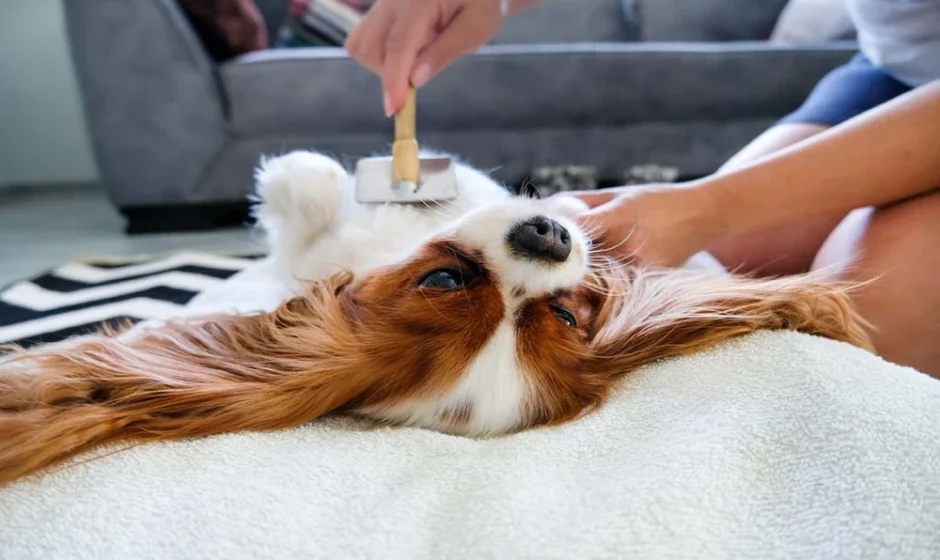

You know the signs before you even leave the house. Your dog slows down when the leash comes out. Your cat disappears the moment the carrier hits the floor. By the time you arrive at the animal hospital in West Palm Beach, FL, your pet is panting, shaking, growling, or frozen stiff, and you are bracing for a hard visit before it even begins.
That stress is real, and it affects more than the mood of the appointment. Fear can raise heart rate, change breathing, make exams harder, and turn basic care into a struggle. The good news is that many clinics now take pet anxiety during vet visits seriously. They adjust the environment, the handling, and the pace of care so your pet feels safer from the first step to the last.
Animal clinics reduce fear by changing the visit, not blaming the pet
A nervous pet is not being stubborn or dramatic. Fear is a body response. Once that fear starts building, even simple things like getting on a scale or having ears checked can feel threatening. That is why good clinics do not wait until a pet is already panicking. They work to lower stress before restraint becomes necessary.
This often starts in the waiting area, or by avoiding one altogether. Some clinics ask owners to wait in the car until an exam room is ready. Others separate dogs and cats, use quieter spaces, lower noise, dim lights, or place nonslip mats on tables and floors. These details sound small until you picture what your pet experiences. A slick table, barking dogs, sharp smells, unfamiliar hands, and no escape route can feel like too much all at once.
Staff training matters just as much as the room itself. Low stress handling teaches teams to read body language early, before a pet reaches the point of snapping or shutting down. Ohio State’s overview of low stress handling basic concepts explains how gentle positioning, slower movements, and fewer forceful holds can change the tone of an entire visit.
Stress builds before the appointment starts
For many pets, the hardest part begins at home. The carrier may only appear when something unpleasant is about to happen. The car ride may mean motion sickness, loud traffic, or a direct trip to a place they already fear. By the time your pet reaches the clinic, the stress response is already running.
That is why clinics often coach owners on preparation, not just what happens in the exam room. Virginia Tech shares practical advice for stress free veterinary trips, including leaving carriers out at home, using treats, bringing familiar bedding, and helping pets build neutral or positive associations with travel. Cornell also offers useful guidance on how to make veterinary visits less stressful for dogs, especially for pets that tense up long before the exam starts.
If your pet has had one rough visit, the next one is often harder. Pets learn fast. A dog that needed painful treatment may pull toward the exit the next time. A cat that was forced into a carrier may fight the moment it sees one. Clinics that understand fear free pet visits account for that history and plan around it instead of pushing through it.
Medication and pacing can prevent a bad experience from becoming a pattern
Some pets need more than a calm room and a handful of treats. That does not mean anything is wrong with them. It means their fear level is high enough that the kindest option may be to slow down, split care into stages, or use pre visit medication.
A clinic may recommend a mild anti anxiety medication before the appointment for a pet with known fear, panic, or past trauma. This is not about sedation for convenience. It is about preventing a full stress response that can make exams unsafe or impossible. In some cases, a clinic may postpone non urgent care if a pet is too distressed to be handled without force. That can feel frustrating in the moment, especially if you took time off work or arranged transportation, but it often protects your pet from leaving with even deeper fear.
The same goes for pacing. A clinic may start with a quick weigh in and reward visit, then bring your pet back another day for the full exam. That shorter, easier appointment can reset the experience. Over time, many pets learn that not every trip ends in restraint or discomfort.
Simple clinic practices can make a major difference
| Approach | What it looks like | Likely effect on anxious pets |
|---|---|---|
| Standard handling | Busy lobby, fast exam, firm restraint, little preparation | Higher chance of shaking, vocalizing, resisting, or shutdown |
| Low stress handling | Quiet intake, treats, gentle positioning, body language monitoring | Better cooperation and fewer fear responses during routine care |
| Pre visit planning | Carrier training, car ride practice, familiar blankets, timed arrival | Lower stress before the pet even enters the clinic |
| Medication support | Vet prescribed calming medication for severe anxiety cases | Safer exams and less risk of reinforcing panic |
The best results usually come from combining these steps. An animal clinic that uses low stress methods can still struggle if a pet arrives already overwhelmed. A well prepared owner can still hit a wall if the clinic is loud, rushed, or force based. The visit works better when both sides support the same goal.
Small actions from you can change the next visit
Practice the carrier, leash, and car when nothing else happens. Leave the carrier out with bedding and treats inside. Take short car rides that do not end at the clinic. Put your dog on the leash and come back inside. These tiny rehearsals matter because they break the link between gear and stress.
Tell the clinic exactly what your pet does when afraid. Say if your cat freezes, if your dog guards the exam room door, if nail trims trigger panic, or if past visits went badly. That gives the team a real plan. They may book a quieter time, move you straight into a room, or suggest medication ahead of time.
Ask for a slower approach, not a tougher one. If your pet is escalating, pushing harder rarely fixes it. Ask whether the visit can be split, shortened, or adjusted. Many clinics that focus on reducing pet stress at the vet would rather change the plan than force a bad outcome.
Calmer visits are possible with the right support
Your pet is not giving you a hard time. Your pet is having a hard time, and that difference changes everything. When clinics respect fear, prepare for it, and handle pets with care, visits become more manageable for everyone. If your pet dreads appointments, call your local clinic and ask how they address anxiety before, during, and after the visit. That conversation alone can set a better tone for the next trip.