
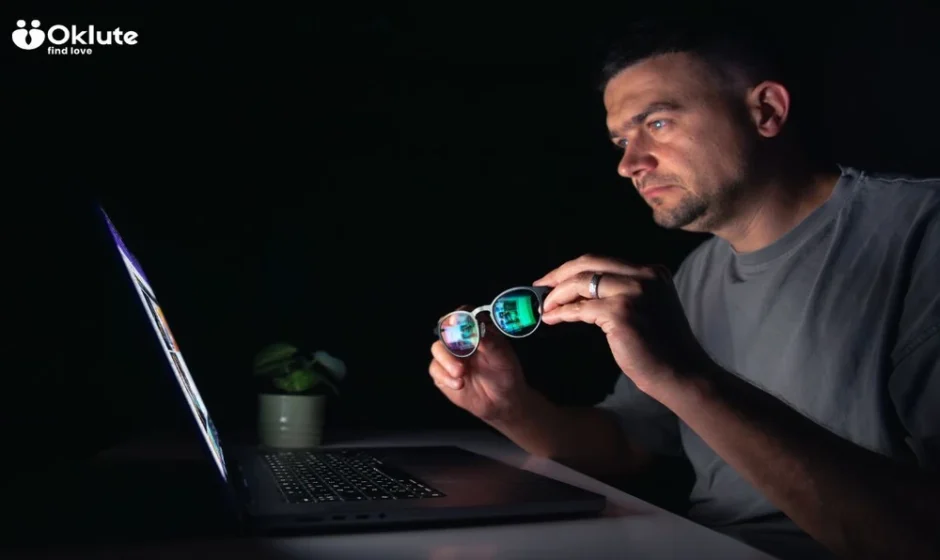

You unlock your phone by simply looking at it, and it immediately recommends the quickest route for you. Your thermostat is adjusted even before you feel the chill. Your delivery app knows what you normally order even before you log in. It seems so simple, as if the world conspires to make everything easier for you.
Most of us embrace these devices without any hesitation whatsoever because they save time and minimize friction in our lives. The only thing that we do not see its price in the process of using them.
Continue reading to find out more about this.
The Smooth Surface of Modern Tools
In each instance, there is a trade-off that most often gets neglected. Convenience comes through constant connectivity and always-on systems that don’t stop very often. Kolkata escorts using connected devices every day may not always notice how these technologies continuously observe their routines and preferences. This way, your devices are constantly on standby, learning your patterns so that they can anticipate your actions before you do anything.
The result is that technology molds us rather than the other way round. Not doing certain things gets natural to do. Not asking questions becomes natural as well.
Eyes That Never Blink
Beyond the user-friendly interface is the ever-vigilant eye. Surveillance in the digital age works using cameras, microphones, and sensors that keep working for much longer than most people think. There’s no need for someone to trail you around the streets. It all comes to them through your devices and networks.
Guarding the Boundaries That Still Exist
Consciousness alone does not suffice. Developing good habits related to privacy begins with small decisions. Disabling unnecessary permissions, checking applications that have access to data, and disabling some of the features that work all the time reduce the data outflow without compromising usability. It requires initial effort but becomes automatic quickly.
The Steady Pull of Details
Companies collect much more than just the basic identifiers. Personal data collection includes search history, purchase history, health indicators, and social connections. Hyderabad escorts using digital platforms should also understand how their everyday online activities contribute to the growing collection of personal information. Once collected, this data goes through various processes and partners without much knowledge of the original individual. With each permission granted, control becomes even less.
Devices That Learn Too Well
The home and pocket are full of interconnected devices. Smart technology can understand commands, monitor energy consumption, and even anticipate wants before they are voiced. All these capabilities that adjust lighting and order supplies can track time, frequency, and preferences. Every new device brings yet another layer of documentation into people’s lives.

Maps That Follow You Everywhere
Your movements create very accurate records. Location-based services transform normal journeys into comprehensive records that tell about habits, places of work, and social behavior. Even when turned off, certain residual signals may stay. The map of a day of one person becomes a product that goes much farther than anticipated.
Watching How You Act
The patterns of your device usage are examined in great detail. Behavioral monitoring looks at pauses, clicks, scrolling speed, and even the amount of time spent hovering on certain pieces of information. Even routine online activities among Manchester escorts can contribute to behavioural profiles that help companies understand their digital preferences. This allows for the creation of better predictions about what people will do next.
The Hidden Bargain
But everything requires its price. In this transaction, the price is privacy, which is never highlighted in bold fonts for marketing purposes but lies at the very center of this deal. With your increased comfort comes your loss of control over personal information. It becomes one-sided every year as more of people’s lives go virtual.
This system is constantly expanding. But you decide how much you will give away.