
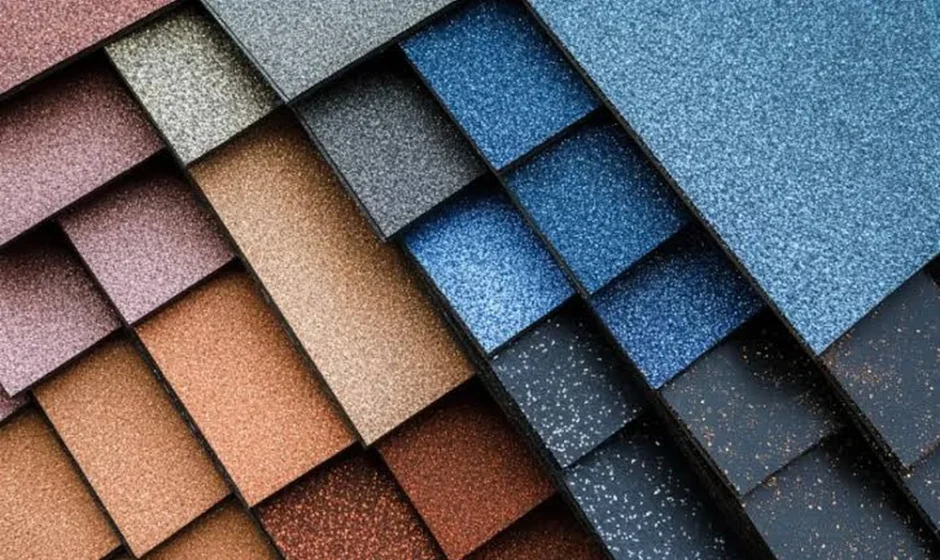

Picture three identical houses on the same street in Stone Oak. One gets architectural asphalt shingles, one gets standing seam metal, and one gets concrete tile. Same orientation, same attic, same neighbors. Then let a full San Antonio year happen to them, with its long summer, its spring storms and the odd winter morning that turns the driveway to glass.
By the following fall, those three roofs would tell three very different stories. None of them would win every round, and that is the honest truth most material comparisons skip.
Homeowners weighing a replacement usually hear one recommendation per salesperson. Talking with a San Antonio roofing company that installs all three types, as the veteran-owned crew working from Hardy Oak Boulevard does, tends to produce a more balanced conversation, especially when a hail claim or an emergency tarp is part of the picture. That balance is what the rest of this piece tries to give you, round by round.
The Long Summer Is the Slowest Kind of Damage
San Antonio regularly logs more than a hundred days a year at or above 90 degrees, and roof surfaces run far hotter than the air. That heat does not break anything in a single afternoon. It simply ages roofs on fast forward.
Asphalt shingles feel it most. The oils in the asphalt dry out, granules loosen, and the shingle loses flexibility. A product sold with a 30 year limited warranty often looks tired by year 15 to 20 in South Texas, particularly on south and west facing slopes. Lighter colors and a well vented attic stretch that timeline, while dark shingles over a stuffy attic shorten it.
Metal handles the sun differently. A painted standing seam panel with a reflective finish bounces a good share of solar energy away, which helps keep the attic and the upstairs bedrooms cooler. The panels expand and contract with every hot day and cool night, so the clips and fasteners that allow that movement matter as much as the metal itself.
Tile is the old Texas answer to heat for a reason. Clay and concrete tiles sit on battens or a raised profile that leaves an air gap underneath, and that gap acts like a built in heat break. The tile itself barely ages. The real clock on a tile roof is the underlayment beneath it, which can wear out decades before the tiles do.
Round winner goes to tile, with metal a close second.
Spring Hail Rewrites the Scoreboard
Bexar County sits in one of the busiest hail corridors in the country, and one storm on the north side of the city became among the most expensive hail events in Texas history. Hail changes this comparison more than any other factor.
Standard asphalt shingles bruise easily. A hard strike crushes the mat, knocks off granules and leaves a soft spot that leaks later. Impact rated shingles are a big step up, yet labels alone do not guarantee much. Independent testing by the Insurance Institute for Business and Home Safety, published in its hail impact shingle ratings, found real differences between products that all carry the same top impact class, and none in its latest round earned the highest score.
A few points worth knowing before choosing.
- A Class 4 label means the shingle survived a steel ball test, which does not perfectly mimic real ice.
- Metal rarely leaks after hail, yet dents are common, and many Texas policies now exclude purely cosmetic damage to metal.
- Concrete and clay tiles can crack or chip under large stones, and replacing a few broken pieces means finding a matching profile and color.
- Several Texas insurers offer premium discounts for impact resistant roofs, so the right shingle can help pay for itself.
Round winner goes to metal for keeping water out, though impact rated shingles from the stronger performers close much of the gap.
Wind and Sideways Rain Find the Edges
San Antonio is far enough inland to skip direct hurricane hits, but straight line winds from spring and summer thunderstorms can top 60 miles per hour. Wind rarely attacks the middle of a roof. It works on edges, ridges and rakes.
Shingles depend on their sealant strips and nailing pattern, and high wind ratings only hold when installers follow the enhanced nailing instructions. Standing seam metal with concealed fasteners shrugs off most wind. Tile, being heavy, stays put well, provided each piece is fastened or foamed according to code rather than simply laid in place.
The Rare Freeze Still Leaves a Mark
Hard freezes are unusual here, but the deep cold and ice of early 2021 showed how unprepared many roofs were. Ice built up at gutters, water backed under shingles, and some attics saw frozen pipes burst. Material choice matters less in this round than underlayment and flashing quality. A self adhering membrane along the eaves and valleys protects any roof type when the unexpected arrives.
Weight Rules and the Neighbors
Some decisions get made before performance even enters the room. Concrete tile weighs several times more than asphalt, so switching from shingles to tile can require an engineer to confirm the framing will carry it. Homes in historic districts such as King William or Monte Vista often need approval from the city before changing roofing material. Many newer subdivisions have HOA rules about color, profile or metal roofs altogether.
Budget sits in this round too. Asphalt costs the least up front, metal sits in the middle to upper range, and tile usually costs the most to install while asking the least of you over the following decades.
Matching the Roof to the House You Actually Own
Once every round is tallied, the winner depends on the house. A rental or a home you plan to sell within a decade often makes the most sense with a strong impact rated shingle and a properly vented attic. A forever home on a hill with afternoon sun and full exposure to spring storms is where standing seam metal earns its price. A Mediterranean or Spanish style house with sturdy framing practically asks for tile, and it will reward the owner with a roof that barely notices the summer.
Those three imaginary houses in Stone Oak never really needed a single champion. Each just needed the material that fit its shape, its budget and the length of time its owners planned to stay under it.