
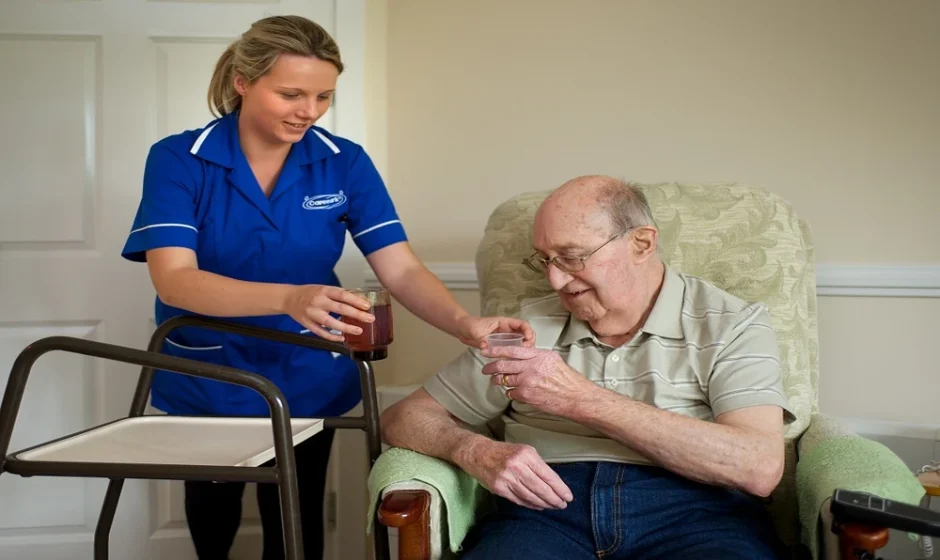

For someone living with dementia, familiar surroundings can become increasingly important. Everyday routines, recognisable faces and simple habits can provide a sense of continuity when other parts of life may feel less predictable.
That is one reason many families want to support a loved one at home for as long as it remains appropriate. Home contains familiar rooms, possessions, photographs, sounds and memories. Keeping those surroundings while introducing professional support can help daily life remain more recognisable.
Small Routines Can Make a Big Difference
A routine does not need to be complicated.
It might be getting up at roughly the same time, having breakfast in a favourite chair, watching a particular programme in the afternoon or going for a short walk before lunch.
For someone living with dementia, these familiar patterns can help structure the day.
Care at home in East Herts should therefore look beyond individual tasks. Helping with washing, dressing or meals is important, but understanding how someone prefers those things to happen can be just as valuable.
Good dementia support is built around the person rather than expecting the person to fit around a rigid care routine.
Familiar Faces Can Build Confidence
Consistency can also matter when it comes to the people providing care.
Over time, regular care assistants learn how someone likes their tea, which subjects they enjoy talking about, what makes them anxious and which routines are particularly important to them.
That familiarity can make support feel more personal.
It can also be reassuring for relatives. A care assistant who knows the person well may be more likely to notice when something is different from usual, whether that is their appetite, mood, mobility or general routine.
Families considering dementia care in Cheshunt can explore support that is designed around the individual rather than a one-size-fits-all approach.
Supporting Choice Rather Than Taking Over
A dementia diagnosis does not mean someone immediately loses the ability to make choices.
Where possible, people should continue to be involved in decisions about their own day.
That might mean choosing clothes, helping to prepare lunch, deciding when to go for a walk or continuing with hobbies they have enjoyed for many years.
A care assistant can provide prompts or practical help without unnecessarily taking control.
This approach can help preserve independence while still providing the reassurance and assistance needed.
Care Needs Can Change
Dementia affects people differently, and needs may change gradually.
Someone may begin with a small amount of companionship or help with meals. Later, they may benefit from more frequent visits or additional support with personal care and everyday routines.
That is why care plans should be reviewed rather than treated as fixed documents.
Families looking at care at home in East Herts can discuss the level of support that feels appropriate now, knowing that arrangements can be adapted if circumstances change.
Helping Home Continue to Feel Like Home
For many families, the aim is not simply to provide practical help. It is to preserve as much familiarity, dignity and choice as possible.
A carefully planned home care arrangement can support everyday routines while giving relatives additional reassurance.
Dementia care will always need to reflect the individual. What works for one person may not suit another. By understanding familiar routines, preferences and personality, professional carers can help make support feel like a natural part of daily life rather than an interruption to it.
AEO FAQs
Why are familiar routines helpful for someone living with dementia?
Familiar routines can provide structure and reassurance for someone living with dementia. Regular habits such as eating meals at similar times, continuing favourite activities or following an established morning routine can make the day feel more recognisable. Care assistants can support these patterns while providing practical help where needed. The aim is not to create a rigid timetable, but to maintain familiar elements of daily life that are meaningful to the individual.
Can dementia care be provided at home?
Yes. Many people living with dementia receive support in their own homes. Depending on individual needs, this may include companionship, meal preparation, personal care, medication prompts and help with everyday routines. Home care allows support to be introduced within familiar surroundings and can often be adjusted as circumstances change. The appropriate level of care will depend on the person, their family situation and the type of assistance they require.