
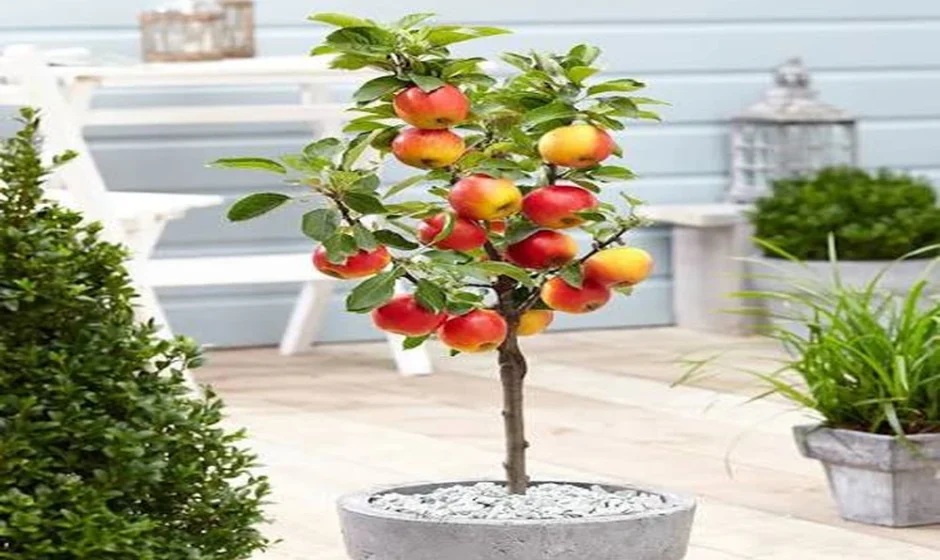

Is it better to repeat one dependable variety or assemble a small orchard of different fruits and seasons? The answer depends less on collecting names than on defining the job of the planting. A uniform row simplifies care and produces a concentrated harvest. A mixed orchard spreads flavour, blossom, risk, and picking, but asks the gardener to understand more ripening patterns, pruning habits, and pollination relationships.
Neither model is automatically superior. One variety suits a clear commercial-style use, a favourite household crop, or a formal design. Diversity suits households seeking a longer calendar and protection from one crop’s disappointing year. Small gardens often need a hybrid answer: a limited number of carefully differentiated trees, each chosen for a distinct purpose rather than variety for its own sake.
A planting choice becomes clearer when concentration and diversity are compared through real household use. A useful perspective from Fruit-Trees is set out by these fruit tree specialists as a choice between concentration and spread. The specialist explains that one variety simplifies pruning, harvest, and use, while a mixed orchard extends the season and distributes some weather and pollination risks. Site, household demand, available space, and confidence with different training systems should decide the balance. Every added variety needs a separate reason; diversity earns its place when it changes timing, use, resilience, or garden value.
The comparison becomes clearer when the orchard is treated as a portfolio. Each tree occupies space and requires recurring attention, so its contribution should be identifiable. Repeating the same cultivar intensifies one contribution. Mixing cultivars creates several contributions, but it also divides the gardener’s attention and sometimes complicates the simplest maintenance routine.
Six decisions expose the trade-off. They begin with purpose and then examine the strengths of uniformity and diversity, pollination and timing, maintenance, and the final planting map. The goal is a coherent orchard, not a theoretical winner between two valid approaches.
Define What the Orchard Must Deliver
Start with outcomes. A family might want a dependable supply of one cooking apple, a sequence of dessert fruit, blossom across spring, produce for preserving, or shade and structure with a modest crop. These objectives point in different directions. The orchard should not be called mixed simply because labels differ; the differences must serve timing, use, resilience, or design.
Quantity matters as much as range. Several trees of one cultivar create a harvest peak that suits batch processing or a large group of recipients. A mixed selection often produces smaller amounts over longer periods, which better fits fresh eating but requires repeated picking. Write down the preferred rhythm and compare it with real storage, kitchen capacity, and household availability.
The site sets limits on ambition. Sun, soil, exposure, root room, mature spread, and access determine how many trees can thrive. Filling every available position with difference usually weakens the design. A smaller orchard with clear roles leaves room for airflow, pruning, and future growth, while still allowing diversity where it has practical value.
Give every proposed role a minimum standard. A fresh-eating tree might need a distinct ripening window and flavour the household already enjoys; a cooker might need sufficient volume for several planned batches; a pollination partner must flower compatibly as well as earn space. Minimum standards prevent weak reasons from accumulating. They also make it easier to remove a candidate from the plan without feeling that variety itself has been rejected.
Rank the objectives when they compete. A garden seeking dependable cooking fruit might accept a shorter fresh-eating season; a design led by blossom succession might tolerate smaller amounts of several crops. Without ranking, every attractive benefit appears essential and the plan expands beyond the site. Choosing a first, second, and third objective gives difficult decisions a reference point. It also makes the eventual blend of repeated and contrasting varieties easier to defend.
Recognise the Strength of Repeating One Variety
Repetition simplifies observation. Trees with the same cultivar and broadly comparable rootstock and form reach similar seasonal stages, making pruning, thinning, pest checks, and harvest easier to coordinate. Differences between individual trees also become informative: a weak specimen points towards local soil, water, or damage rather than an unfamiliar growth habit.
A concentrated crop serves specific uses. Preserving, juicing, community distribution, or a household with a strong favourite often benefits from enough fruit at once to justify equipment and time. Formal designs gain visual rhythm from repeated forms and blossom. These are positive reasons for uniformity, provided the crop peak and shared vulnerabilities are accepted rather than discovered later.
The weakness is concentration. Frost at one flowering stage, poor conditions during pollination, or a disease to which the chosen cultivar is susceptible affects the whole planting similarly. The harvest may also overwhelm a small household. Repetition is strongest where the gardener has a clear use, a suitable site, and a plan for a disappointing or unusually abundant season.
Repetition supports shared learning. Once the gardener understands the pruning response, picking cues, and storage behaviour of one cultivar, each additional tree becomes easier to manage. Spare fruit also has consistent quality for cooking or distribution. This efficiency should be valued explicitly rather than dismissed as unadventurous. A focused orchard is a deliberate system when the household wants depth of supply more than breadth of experience.
Use Diversity to Spread Timing and Risk
A mixed orchard extends the calendar when flowering and ripening periods differ. Early cherries, summer plums, autumn pears, and storing apples create separate moments rather than one short peak. Within a single species, early, mid-season, and late cultivars provide similar spread. This sequence makes fresh eating and picking more manageable, although it asks the gardener to recognise several maturity cues.
Diversity also distributes some risk. A late frost, wet blossom period, or dry spell does not affect every species and cultivar in the same way or at the same stage. It does not create immunity: the whole site still shares soil, exposure, and management. Its value is that the orchard has several routes to usefulness rather than one crop carrying every expectation.
Difference should remain disciplined. Adding a tree solely because its name is unusual often produces a collection without a calendar or care plan. Ask what the new choice changes. If it adds a ripening window, fulfils a kitchen use, improves pollination compatibility, suits a distinct microclimate, or brings another structural form, diversity has earned space. If it duplicates an existing role, repetition might be the clearer answer.
Mixed plantings benefit from durable labels and a map. Similar young trees are easily confused after tags fade, yet their pruning, picking, and expected behaviour might differ. Record cultivar, rootstock, position, flowering group where relevant, and ripening season. The map protects the purpose of diversity. Without it, the collection gradually loses the information needed to manage each difference and becomes harder rather than richer.
Solve Pollination Without Turning It Into a Puzzle
Pollination requirements vary by species and cultivar. Some trees are self-fertile, while others crop more reliably with compatible partners flowering at the same time. Nearby gardens sometimes provide pollen, but relying on an unverified neighbour introduces uncertainty. The orchard plan should state which trees provide compatibility and whether their flowering periods overlap under local conditions.
A mixed orchard does not guarantee correct pollination. Two different apples might flower in poorly matched periods, and a collection of unrelated species does not form a pollination group simply because blossom is abundant. Conversely, repeating one self-fertile cultivar can be straightforward. Accurate labels and a simple flowering map are more useful than assuming that difference always solves the problem.
Pollinator habitat supports the system but does not replace compatibility. Shelter from harsh wind, flowering plants across the season, and restrained pesticide use encourage insect activity. The fruit-tree choices still need a sound biological relationship. Keeping the plan simple enough to explain is a good test: if the gardener cannot identify the intended partner, the design needs another review.
Confirm the pollination plan against flowering, not harvest season. Two apples picked months apart may still overlap in blossom, while apparently similar harvest dates say little about compatibility. Triploid cultivars and other special cases need accurate attention within the wider group. Keeping the map modest reduces mistakes. Where nearby pollen is part of the plan, identify the actual tree rather than treating a whole neighbourhood as an unnamed guarantee.
Compare the Maintenance Cost of Variety
Different species and forms introduce different pruning calendars, growth habits, thinning needs, harvest cues, and pest or disease patterns. That variety keeps gardening interesting, but it also increases the knowledge required. A mixed orchard should fit the gardener’s appetite for observation. Labels, notes, and a seasonal calendar become more valuable as the number of distinct systems grows.
Uniformity reduces switching between methods, yet scale still creates work. Five similar trees are not effortless merely because their care is coordinated. The relevant measure is total annual time, including watering young trees, pruning, thinning, picking, processing, and clearing windfalls. Gardeners who buy fruit trees should compare that full workload with the crop they want, rather than counting varieties alone.
Access often decides which model feels manageable. A mixed orchard arranged by mature form and working route is easier than a uniform row squeezed against a boundary. Equally, scattered specimens across a garden complicate watering and tool movement. Grouping compatible tasks and leaving clear space around every canopy makes either strategy more durable.
Tools and storage create another maintenance cost. Different forms require ties, supports, ladders or ground access; different fruits need picking containers and handling methods. A mixed orchard does not have to own elaborate equipment, but its routines should share as much infrastructure as possible. Grouping trained trees along one accessible boundary or arranging compatible picking routes often reduces complexity without sacrificing the varied calendar that motivated the design.
Build a Coherent Orchard Portfolio
Draw the orchard as a table of roles before turning it into a planting map. For each proposed tree, record crop use, flowering relationship, ripening period, mature form, maintenance method, and the risk it adds or distributes. Repeated entries reveal concentration; empty periods reveal opportunities; trees with no distinct role invite a harder question about whether they belong.
Many gardens arrive at a blended solution. Two dependable trees might cover the principal household use, while one or two contrasting choices extend season or flavour. A self-fertile tree simplifies a tight site, whereas a compatible pair adds range where space permits. The blend should emerge from evidence, not from a rule that every orchard needs maximum variety.
Coherence is visible over time. Blossom progresses without every tree competing for the same attention; harvests arrive at a usable pace; pruning remains understandable; and each tree has enough room. Whether the final design repeats one variety or mixes several, its strength lies in a clear relationship between site, household, and care. That is the comparison worth preserving after the labels are planted out of sight.
Leave at least one future decision unplanted. Early experience might reveal a missing ripening window, an unexpectedly successful cultivar, a poor microclimate, or a household preference that was impossible to predict. Reserved space allows the orchard to respond. Filling every position immediately makes learning expensive. A coherent portfolio is strengthened by the ability to add one well-justified tree later rather than by achieving maximum variety in the first winter.
Review the portfolio after the first meaningful harvests rather than judging it only by establishment. Record overlap, gaps, household enthusiasm, processing pressure, and which care methods felt intuitive. The findings might support another example of a favourite cultivar or reveal the need for a different season. Because space was reserved, learning can improve the orchard gradually. The resulting diversity or repetition is earned through experience instead of being fixed by the original labels.
The strongest portfolio is therefore easy to describe in one sentence, and every tree supports that description through a distinct crop, season, or practical function.