
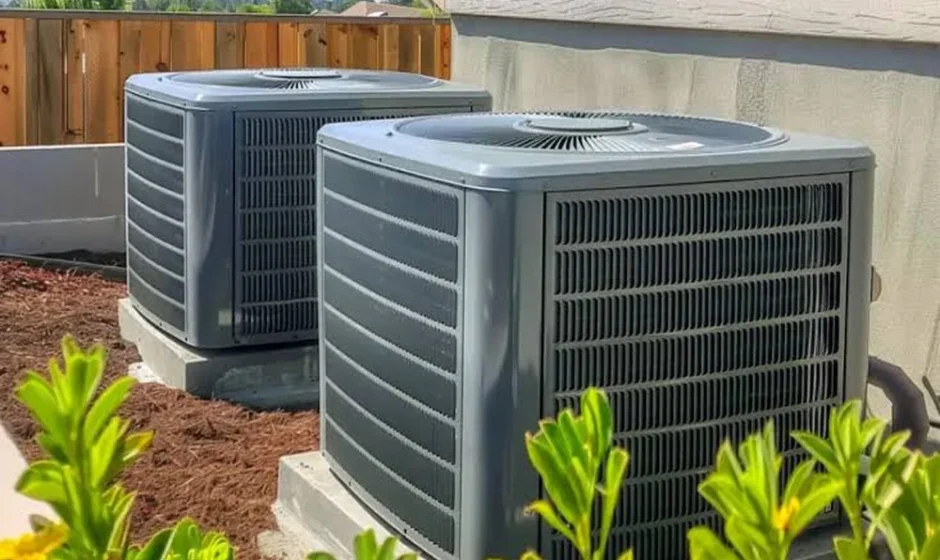

Your system does not warn you before it quits. It just picks the worst week of the year, the one where the forecast shows three straight days in the high nineties, and dies quietly in the attic. I have watched this happen to people who swear they kept up on maintenance, and I have watched people neglect a unit for a decade and stay comfortable anyway. Luck plays a part.
The rest is knowing a handful of things most homeowners never bother to learn. That gap is what this piece fills: why an AC freezes up, how filters actually work, what a fair repair timeline looks like, and when a tech is telling you the truth versus selling you an upgrade you do not need. If you have ever sat on hold reading the same frequently asked heating and cooling questions page and still come away confused, you are not alone, and none of it is complicated once it is explained plainly.
Let’s start with the part that costs people the most money: filters, and the strange belief that a thicker one is always better.
Filters, filtration, and the thick-filter myth
Every filter carries a MERV rating, short for Minimum Efficiency Reporting Value, which measures how well it catches particles at a given size. That scale tops out somewhere around 16. Filters sold at a hardware store usually land between 1 and 13.
A higher number grabs more dust, pollen, and pet dander. A higher number also restricts airflow. On a system designed for a thin one-inch filter, dropping in a MERV 13 is like asking a runner to sprint while breathing through a straw. The unit works harder, the coil gets cold, and eventually it ices over.
Here is the fix I would give a friend:
- Check the filter slot. A one-inch slot means stick to MERV 8 or lower.
- Four-inch and five-inch media cabinets can handle MERV 11 to 13 because they have more surface area.
- Replace thin filters monthly during peak cooling and heating months. Thicker media lasts three to six months.
- Write the install date on the cardboard edge with a Sharpie. You will thank yourself.
Freezing is almost always an airflow problem, not a refrigerant problem. Technicians find this constantly, and homeowners assume the opposite.
The 30-30-30 rule for knowing when to call
I made this one up after years of watching people either panic over nothing or wait too long. It works like this:
- 30 minutes. If your thermostat shows the system running but you feel no air moving, give it 30 minutes. A system in a defrost cycle or coming off a startup delay can look dead when it is fine.
- 30 degrees. Measure the air at a supply vent with a cheap infrared thermometer. It should read roughly 15 to 20 degrees cooler than the return air during cooling season. If the gap is under 30 percent of what it should be, something is wrong.
- 30 dollars. If a repair estimate lands under $300 and the unit is less than ten years old, fix it. If the estimate crosses $3,000 and the system is past 12 years, replacement usually beats another repair.
That last threshold is the one people argue about. Contractors will tell you a 15-year-old unit with a $2,000 compressor replacement is worth saving. I disagree, and here is why. A unit that age is running on older refrigerant, which is getting harder and pricier to source. You will pay for the repair, then pay again within two years for something else. According to the Air Conditioning Contractors of America, correct sizing and installation matter as much as brand, and a mismatched or undersized replacement can undo every dollar you spent.
Why “same day” service does not always happen
Companies promise quick turnaround, and many mean it. What they cannot promise is that the part you need is sitting on a shelf.
A failed capacitor, a blower motor, a control board. Capacitors are common and cheap, and a van usually carries several. Control boards are model-specific, and if yours is a less common brand, the tech orders it and comes back. That is not a scam. It is the reality of a supply chain that does not stock every part for every unit ever made.
Ask two questions when you call: do you carry common parts on the truck, and what is the typical wait on special-order parts in this area? A straight answer tells you more than a marketing promise.
Emergency calls and the honest limits
Every reputable Heating and cooling outfit answers the phone after hours. Not every one can roll a truck at 2 a.m.
Here’s the reasoning I would apply. If it is below freezing and your heat is out, that is a true emergency, especially with kids or older adults in the house. If it is a ninety-degree afternoon and your AC quit, that is miserable but survivable, and a morning appointment is fine if it means the tech arrives alert instead of on hour fourteen of a shift.
Fleet size is the hidden variable. A company with three trucks genuinely cannot cover overnight emergencies across a whole metro area. That is not a knock on them. It is math.
Energy habits that actually change your bill
Small adjustments add up more than most people expect. Setting the thermostat a few degrees higher while you are at work and letting the house drift back before you get home shifts the workload away from peak hours.
Ceiling fans do not cool air. They cool you, by moving air across your skin. Leaving them on in an empty room wastes electricity, so turn them off when you walk out. Closing blinds on west-facing windows during summer afternoons cuts out a real chunk of solar gain, and that is free.
Duct leaks deserve a mention. If a third of your conditioned air is escaping into an attic or crawlspace before it reaches a room, you are paying to cool a place nobody lives. According to the U.S. Department of Energy, duct sealing and insulation are among the highest-value efficiency improvements a homeowner can make, and they are often cheaper than a new system.
How to read an estimate without getting sold
Good estimates come with a load calculation. If a contractor quotes you a replacement system without measuring your home, measuring windows, and looking at insulation, walk away. Size matters, and guessing runs the risk of a system that is too big, which cycles on and off constantly and never dehumidifies properly.
Ask whether the quote includes a new line set, thermostat, permit, and haul-away of the old unit. Those line items separate a real bid from a lowball that grows later. Also ask about refrigerant type. Older R-22 systems are being phased out under rules from the Environmental Protection Agency, and a new unit will use a different refrigerant, which is a good thing for the long run.
What to do this weekend
Go look at your filter right now. Write today’s date on the new one when you swap it. Find the model number plate on your outdoor unit and snap a photo with your phone, because you will need it when you call. Then set a calendar reminder for a tune-up twice a year, once before cooling season and once before heating season.
None of this is exciting. It is just the stuff that decides whether you spend your summer comfortable or waiting on a part. What is the last thing on your system you actually looked at with your own eyes?