
Old habits die hard, but when it comes to the way we clean our homes’ exteriors, innovation is catching up to tradition. The sound of a pressure washer might be familiar, yet not everyone realizes the risks that come with blasting surfaces with high-powered water. That’s where a new generation of cleaning techniques steps in, promising the same eye-popping results without the threats to property or the environment.
Origins of Pressure Washing: Benefits and Drawbacks
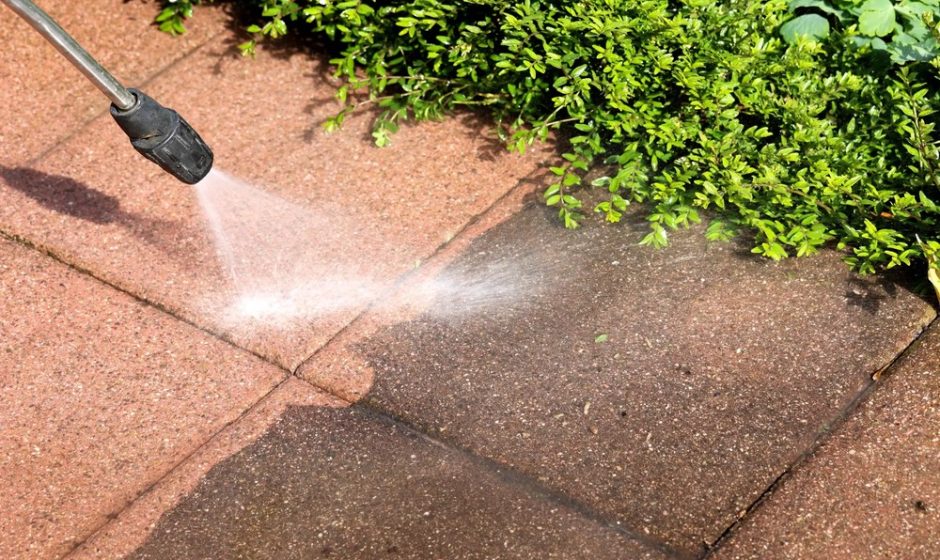
The early days of pressure washing saw homeowners and businesses eager to erase years of grime in minutes. High-pressure water jets delivered dramatic before-and-after results, making it a favorite for driveways and siding. However, this power came with a price.
Early Adoption and Popularity of High-Pressure Washing
What started as an industrial solution quickly made its way into suburbia. The allure? Removing stubborn stains, moss, and algae with minimal effort. Contractors and DIY enthusiasts alike appreciated how efficiently dirt peeled away.
Common Problems: Surface Damage and Environmental Concerns
Yet, problems surfaced. High-pressure streams could strip paint, gouge wood, and even crack concrete. On roofs, aggressive washing often dislodged shingles and tiles, causing leaks. Water run-off carried not just dirt, but detergents and debris into storm drains, raising concerns about local ecosystems.
Why Traditional Pressure Washing Faces Increasing Scrutiny
With more stories of warped decks and shredded siding, the pressure washing industry found itself at a crossroads. Homeowners demanded results but weren’t willing to risk thousands in repairs. That demand sparked the search for safer alternatives.
The Rise of Soft Washing Techniques
As awareness grew, so did the adoption of “soft washing,” a method that swaps brute force for chemistry and finesse.
What is Soft Washing and How Does It Differ?
Soft washing uses low-pressure water combined with specialized detergents to break down organic growth like algae, moss, and mildew. Instead of blasting contaminants away, the solution does the heavy lifting, and gentle rinsing removes the residue.
Detergents and Low Pressure: Safer Cleaning Agents Explained
The magic lies in the blend of biodegradable soaps and surfactants. These formulas are tough on grime but gentle on surfaces, making soft washing ideal for delicate siding, roofs, and painted areas.
Early Applications and Growing Popularity in Residential Care
Roof cleaning, in particular, benefited from this shift. Rather than risking leaks or shortening roof lifespans, soft washing preserves shingles and tiles while still eliminating algae and lichen, crucial concerns in damp climates like the Pacific Northwest.
Evolution of Safer Alternatives Beyond Soft Washing
The quest for innovation didn’t stop with soft washing. New tools and greener products continue to redefine what safe exterior cleaning looks like.
Innovations in Eco-Friendly Cleaning Solutions
Advancements in cleaning chemistry have led to even safer, non-toxic detergents that break down contaminants without harming plants or pets. Many providers now prioritize water conservation and runoff management.
Integration of Technology: Low-Impact Equipment and Application Methods
Modern pumps regulate water pressure with extreme accuracy. Some systems even recycle water during use, reducing waste and further protecting surfaces from accidental damage.
Case Study: Zach’s Power Washing Approach in the Pacific Northwest
Businesses like Zachs Power Washing demonstrate how these methods work in the real world. Their services avoid high-pressure tactics on roofs and siding, opting for soft washing and custom solutions tailored to Olympia’s challenging climate. Customers note not only spotless surfaces, but careful service that avoids harming landscaping or property.
Specialized Alternatives for Different Surfaces
No one method fits all surfaces. That’s why professionals have adapted techniques for the unique needs of roofs, walls, driveways, and gutters.
– Roof Cleaning Without Pressure: Using soft bristle brushes and targeted treatments, moss is killed and left to naturally wash away, extending roof life by years.
– House and Building Soft Washing: Siding, windows, and painted areas benefit from gentle cleaning that avoids chipping or cracking.
– Concrete and Driveway Cleaning: Adjusted pressure levels and specialized soaps ensure a thorough clean without the risk of etched surfaces.
– Gutter Cleaning: Clearing clogs and debris without harsh water flow preserves gutters and prevents unintended leaks or runoff damage.
Health, Environmental, and Property Safety Benefits
Switching to safer alternatives isn’t just about aesthetics. The benefits are wide-ranging.
– Properties experience fewer repairs and longer lifespans for roofs and siding.
– Eco-friendly detergents reduce chemical runoff, keeping local streams cleaner.
– Lower pressure means less risk of injury from flying debris, while surfaces dry without slippery residues left behind.
Challenges and Limitations of Safer Alternatives
Soft washing and its kin aren’t perfect for every job. Deeply stained concrete or industrial messes might still require targeted high-pressure intervention. Additionally, soft washing can involve longer dwell times for treatments to take effect, potentially leading to higher service costs.
Future Trends in Safe Exterior Cleaning
The field is moving fast. Expect hybrid systems that combine precision spraying with eco-conscious detergents and even robotic cleaners for hard-to-reach spots. Industry standards are evolving, prompting more providers to adopt sustainable practices as customers become more discerning.
Choosing the Right Method: A Practical Decision Guide
Not sure which method is right for your property? Assess the surface material, degree of soiling, and long-term maintenance goals. Compare providers by asking about their equipment, detergents, and experience with similar properties. And remember, regular, gentle cleaning makes dramatic interventions less necessary in the first place.
As safer alternatives to pressure washing become the norm, the choice is clear: you don’t have to sacrifice safety, sustainability, or results. Your home or business can stay spotless, and stay protected for years to come.