
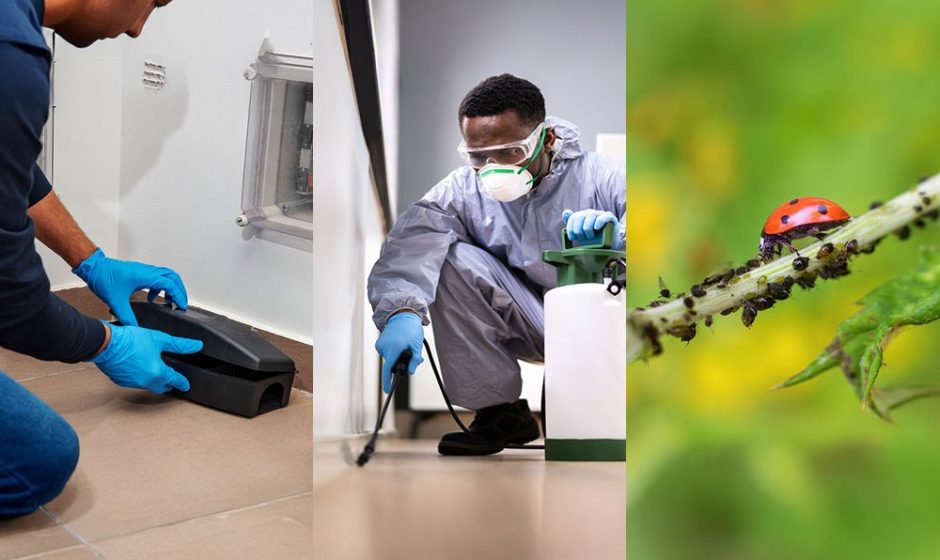

Modern pest control relies on accurate insight instead of routine action. Behavioral analysis focuses on how pests move, feed, and respond to their surroundings. This approach improves precision and reduces unnecessary treatment. Clear behavior patterns help detect problems early and guide effective solutions.
Pest experts sometimes address questions like “do insects have brains?’ when explaining how insects behave in structured environments. Insects rely on simple neural systems that allow them to react to light, temperature, and food sources. Recognizing these patterns strengthens the importance of behavioral analysis in modern practices.
Clear Identification Of Infestation Sources
Behavioral analysis makes it easier to locate the exact origin of pest activity. Instead of relying only on visible signs, this approach studies movement routes and nesting preferences. Pests tend to follow repeatable paths and settle in specific environments that support survival. Identifying these patterns allows professionals to focus on the root cause instead of treating scattered areas. Accurate source identification prevents wasted effort and ensures that control measures address the core issue.
More Accurate And Targeted Treatments
Understanding pest behavior leads to highly targeted treatment methods. Instead of broad application, control measures are placed along active routes and near nesting zones. This increases the effectiveness of each treatment while reducing overall chemical use.
- Treatments reach areas with the highest activity
- The application becomes more precise and controlled
- Unnecessary exposure in low-risk areas is avoided
Reduced Risk Of Recurring Infestations
Behavioral analysis highlights the environmental factors that attract pests. Conditions such as moisture, food access, and shelter play a major role in infestation patterns. Identifying these triggers helps shift focus toward removing the causes rather than only addressing visible pests. It also supports long-term prevention and creates an environment that discourages nesting and feeding. Consistent results depend on controlling these underlying factors.
Improved Timing Of Pest Control Actions
Pests follow specific activity cycles influenced by environmental conditions. Behavioral analysis helps determine when pests are most active, which allows treatments to be applied at the most effective time. Proper timing increases the impact of each intervention and reduces unnecessary repetition.
Applying treatments during peak activity ensures direct contact with pests and improves overall success rates. This method avoids ineffective application during inactive periods and supports efficient pest management.
Better Adaptation To Behavioral Changes
Pests can adjust their behavior when exposed to repeated control measures. This is where the question “do insects have brains?” becomes relevant again, as even simple organisms respond to threats in consistent ways. Behavioral analysis tracks these changes and helps refine strategies to maintain effectiveness.
Adapting to behavioral shifts ensures that pest control methods remain reliable over time. It prevents reduced effectiveness and supports a flexible approach that responds to evolving pest activity. This adaptability strengthens long-term control outcomes.
Environmentally Responsible Pest Control
Behavioral analysis supports a more controlled and responsible approach to pest management. A focus on specific activity patterns reduces the need for widespread chemical application and limits unnecessary exposure. Efficient use of resources also improves overall sustainability. Careful planning based on behavior allows pest control efforts to remain effective without excessive intervention.
How To Find Pest Control Specialists Who Use Behavioral Analysis
Experienced professionals use behavioral analysis to evaluate pest activity in detail. They examine environmental conditions, feeding habits, and movement patterns to guide precise treatment plans. Verified licensing, structured inspection processes, and clear reporting methods indicate a strong understanding of behavior-based pest control.
Selecting specialists with this expertise supports accurate intervention and long-term control. Behavioral insight reduces unnecessary application and focuses on eliminating the conditions that sustain infestations. This approach ensures consistent results and improves the overall effectiveness of pest management.
Behavioral analysis plays a critical role in modern pest control by shifting focus from reactive treatment to informed action. Understanding how pests think, move, and respond allows for precise, efficient solutions that address underlying causes. This method supports cleaner environments, reduces repeated infestations, and improves overall control outcomes.